

 Message on WhatsApp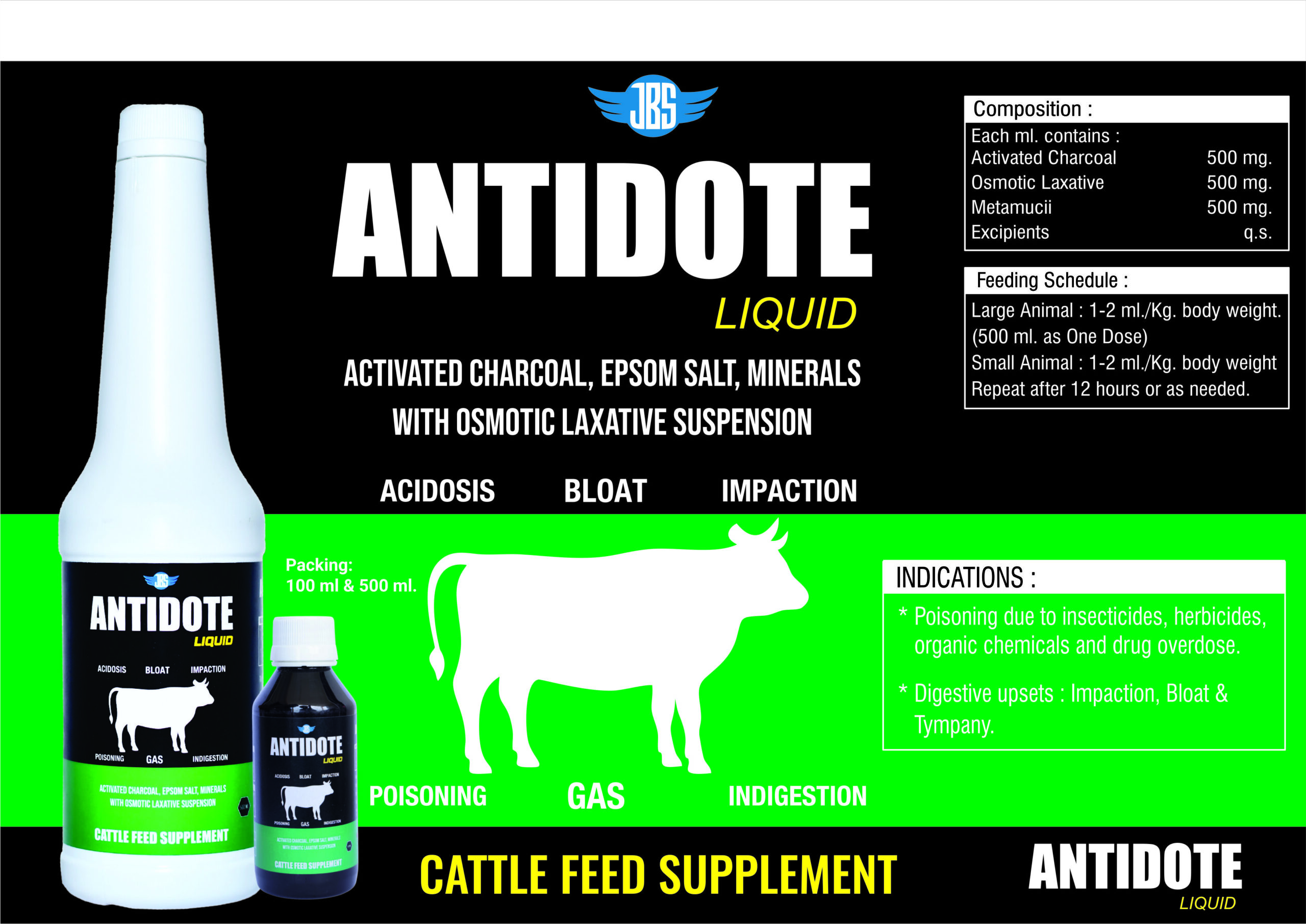
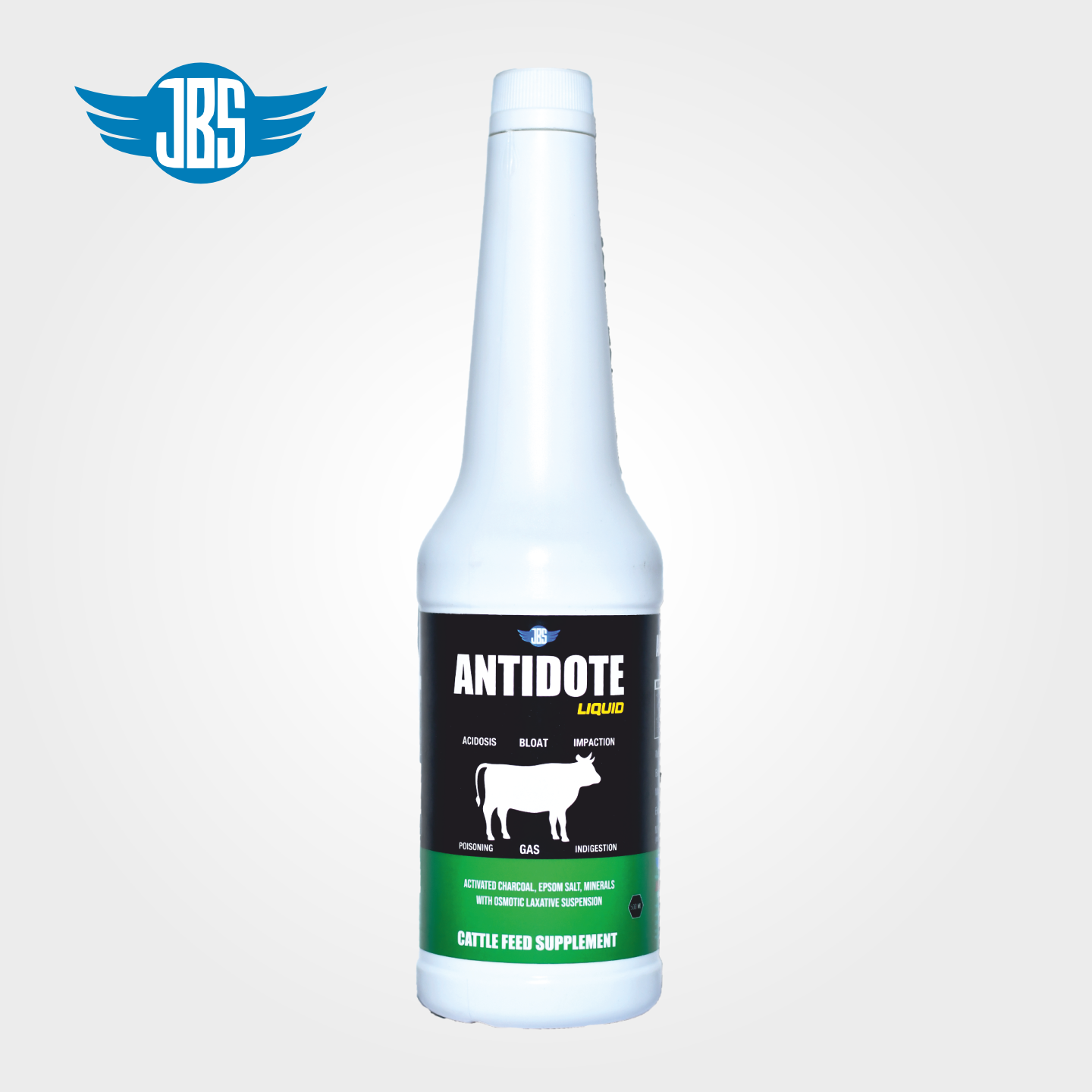
Best Activated Charcoal For Cattle
Activated Charcoal has been used in the treatment of many intoxicants. Activated Charcoal is administrated orally to absorb toxins & thus prevent them from being absorbed. The suitability of charcoal as an absorbent material for the treatment of poisoning. Studies have shown the suitability of activated charcoal as an adsorbent material for the treatment of poisoning in sheep and cattle. Activated Charcoal has gone through a steaming process at 600 degrees to remove all impurities.
BENEFITS of Activated Charcoal:-
Activated Charcoal is Made of High-Quality Vitamins and Minerals
Result and Quality Oriented Animal Food Supplement
Useful in Poisoning, Impaction, Bloat and Tympany
Veterinary Feed Supplement
HOW ACTIVATED CHARCOAL WORKS:-
To be effective activated charcoal must be in contact with the toxicant substance. Due to a large surface area, it is able to absorb many chemicals and drugs through ion to ion hydrogen binding dipole. Other factors influencing the adsorption of toxicants to activated charcoal include the solubility of poison. The delayed administration can reduce its effectiveness. The reduction in effectiveness will vary according to the adsorption rate.
SUGGESTED USES:-
May be used during accidental poisoning resulting from insecticides. Research has shown that activated charcoal is effective in counterattacking the effects of harmful toxins. Though this product is very useful during bloating. This is made from very good raw material and has no side effects.
ABOUT THE PRODUCT:-
This product is very effective during poisonous intake like if cattle have eaten poisonous pastures then antidote will be very effective. This herbal product is very effective for animal health and is very useful, and also doesn’t have any side effects on the animal. Activated charcoal can be used for Cattle, Pigs, Sheep & Goats.
Natural Antidote For poisoning as a result of food poisoning. It is made from natural materials and is able to adsorb numerous harmful or undesirable substances that may be present in the gastrointestinal tract.
FEEDING SCHEDULE
For Large Animal:
2-3 ml/kg body weight (500 ml as one does)
For Small Animal:
1-2 ml/kg body weight repeat after 12 hours or as needed.
Reviews
There are no reviews yet.