

 Message on WhatsApp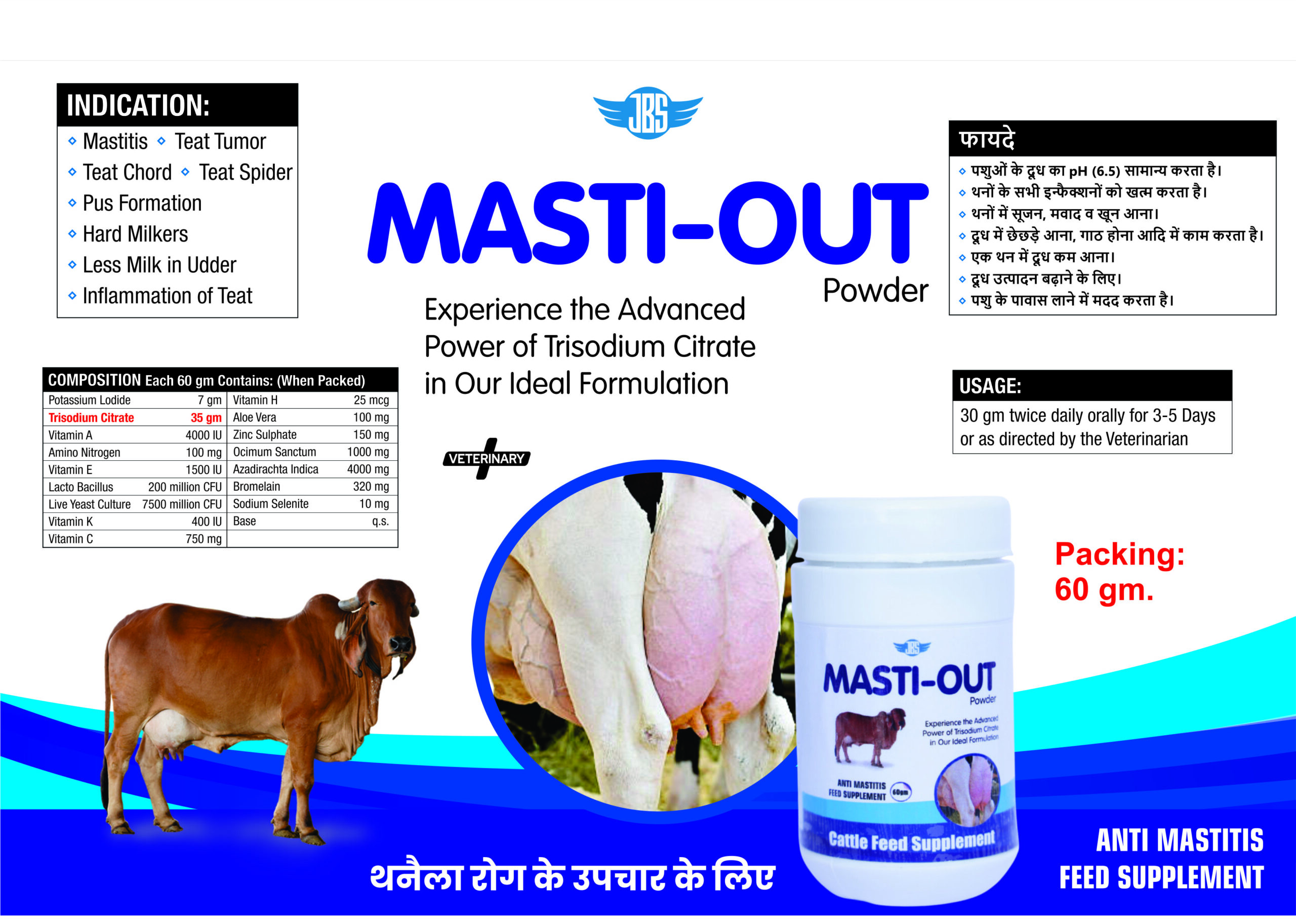
Refit’s Best Anti-Mastitis Trisodium Citrate Supplement
Mastitis, an inflammation affecting the mammary gland and udder tissue in cattle, is a persistent and widespread issue within the dairy sector. It typically arises when bacteria infiltrate the udder, causing infection. The source of infection may originate from either contagious or environmental factors, with the Primary modes often found in the bedding used for housing cattle.
The manifestations of mastitis vary, ranging from sub-clinical, where infections exist without apparent local inflammation, to clinical, marked by observable changes in milk composition, such as flakes, color variations, clotting, and shifts in pH. Acute clinical mastitis presents with a swollen udder, heat, pain, and redness, accompanied by abnormal milk, while severe cases can lead to dire consequences, even mortality, if not promptly addressed. Chronic mastitis may appear less severe, with a seemingly healthy cow, but lumps in the udder and a watery appearance of milk. The dry cow period during lactation is a critical phase for udder health, undergoing biochemical, cellular, and immunological changes. Mastitis poses a substantial challenge in the dairy sector, resulting in significant economic losses for farmers, particularly when cattle are housed indoors, increasing their susceptibility to environmental pathogens.
Challenges and Strategies in Mastitis Management
In today’s dairy farming landscape, where farmers prioritize maximizing milk yield, there exists a delicate balance between productivity and minimizing the risk of mastitis. Stress conditions associated with high milk yields can further elevate the likelihood of mastitis due to inadequate udder emptying. Additionally, other milch animals may face the risk of gangrenous mastitis, leading to the necrosis of teat tissue. Successful management of mastitis requires a comprehensive approach, integrating preventive measures and timely interventions to ensure the overall well-being of cattle and the economic viability of dairy operations. Farmers must navigate these complexities to secure both the health of their herds and the sustainability of their businesses.
In the case of Mastitis, losses arise as:-
1. Decreased milk yield due to illness
2. Permanent loss of cow udder
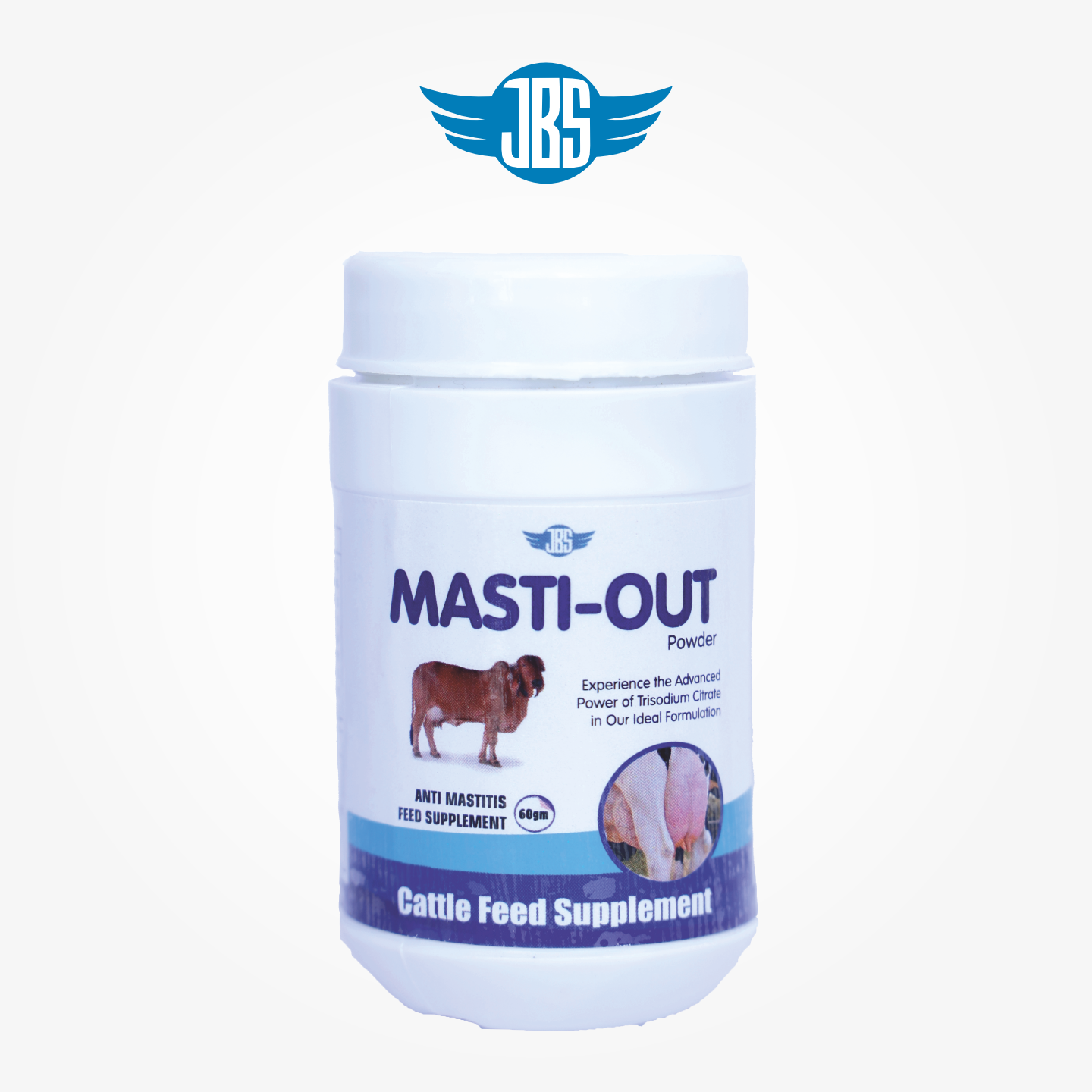
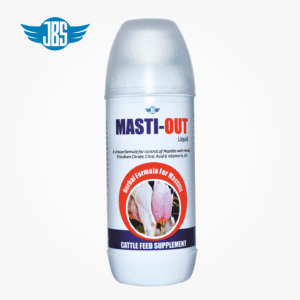
Nowadays several treatments are available for mastitis as antibiotics and intramammary treatment but are ineffective leading to farmer’s economic loss. So along with treatment some Supplements are required to be given to Animals for the effectiveness of treatment and it is available in market in both powder and liquid form under Refit Animal care brand as Mastitis treatment for Cattle as MASTIOUT POWDER and RMS liquid which contains a good amount of vitamins, minerals, serratiopeptidase, herbs along with large concentration of Trisodium citrate to maintain the pH of the milk.
Both MASTIOUT & RMS are highly effective indicated in:-
- Teat tumor,
- Teat chord,
- Pus in Teat,
- Decreased Milk,
- Teat Swelling,
- Flakes or blood in milk,
FEEDING SCHEDULE
30 gm twice daily orally for 3-5 days
or as directed by the veterinarian

Reviews
There are no reviews yet.